Faced with dwindling aid, Ugandan groups addressing HIV/AIDS get creative
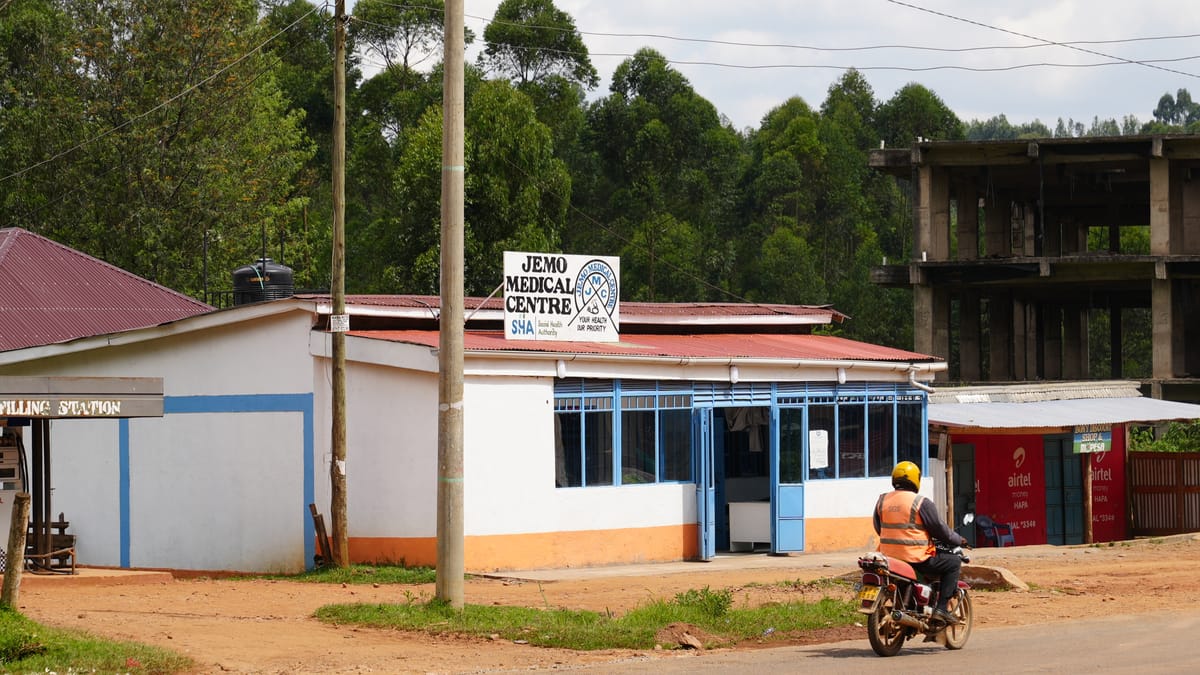
It was during a recent visit to Jinja, Uganda, that Chris Macoloo, the regional director for East Africa at World Neighbors, grasped the worsening effects of the early 2025 suspension of funding under the U.S. President's Emergency Plan for AIDS Relief, or PEPFAR.
People living with HIV and AIDS (PLWHA) were receiving only a week’s worth of antiretroviral, or ARV, medication, instead of the two-month supply they had come to rely on. Sometimes, there was no medication at all.
That meant patients had to make repeated trips to health facilities to check for availability — a costly disruption in terms of transport and incidental spending.
Luckily, PLWHAs, funded by international development organization World Neighbors, could afford to keep visiting clinics for their medications. The organization has worked with hundreds of infected people in the Lake Victoria basin of Kenya, Uganda, and Tanzania for 15 years. Crucially, this includes providing PLWHAs with training to increase savings that provide a buffer when costs increase, as they have with disruptions to PEPFAR programs.
Participants receive training in entrepreneurship, business development, and record-keeping to prepare them for joining savings and credit groups. Members of these groups contribute small amounts each month. When they amass enough capital, they loan to members at low interest rates. Loan repayment with interest further increases savings and the amount available to loan. Many PLWHAs use loans to cover health care needs—like the added costs of travel to clinics to obtain HIV/AIDS medications every two months rather than weekly, as they did before PEPFAR disruptions.
Studies have shown economic resilience programs like those run by World Neighbors can make a critical difference in obtaining and retaining HIV/AIDS medications and other care. The Towards an AIDS Free Generation project in Uganda reported that village savings and credit groups have provided funds to facilitate HIV care for children. In western Kenya, a study showed that PLWHAs who joined a savings and credit group were more likely to retain HIV care, compared to patients who were not enrolled in the groups.
No one could have foreseen the rapid destruction of USAID and disruption to PEPFAR and like programs. People living with HIV and AIDS in Kenya, Uganda and Tanzania are fortunate they saved money and built economic resilience so they can weather the current storm. Please contact me to learn more.